
Eating well with diabetes doesn’t have to be complicated. The Diabetes Plate Method helps you create balanced meals by dividing your plate into easy portions without counting, or stress.
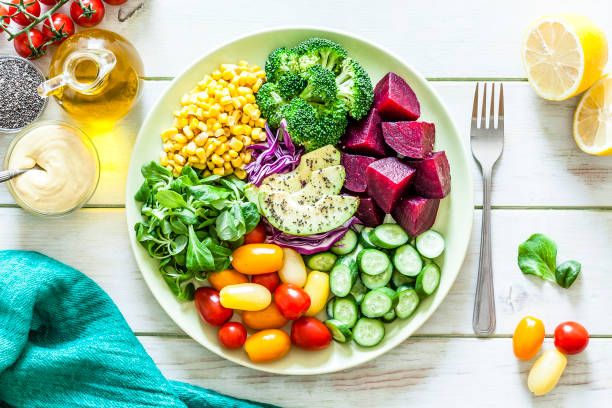
🥦 Step 1: Fill ½ Your Plate with Non-Starchy Vegetables
These vegetables are low in carbohydrates, high in fiber, and packed with vitamins that help support healthy blood sugar levels.
Great choices include:
Leafy greens (kale, collards, mustard greens, Swiss chard)
Mushrooms
cactus
Okra
Onions
Green beans, pea pods, snow peas, sugar snap peas
Peppers (bell, jalapeño, poblano, etc.)
Salad greens (lettuce, spinach, arugula, spring mix)
Squash (zucchini, yellow squash, chayote, spaghetti squash)
Radish
Tomatoes & tomatillosAsparagus
Broccoli
Cauliflower
Brussels sprouts
Cabbage (green, red, napa, Chinese)
Carrots
Celery
Cucumber
Eggplant
🍗 Step 2: Fill ¼ of Your Plate with Lean Protein
Protein helps you feel full longer and prevents blood sugar spikes when paired with carbs.
Animal-based lean proteins:
Chicken, turkey, eggs
Fish (salmon, cod, tuna, tilapia, swordfish)
Shellfish (shrimp, scallops, clams, mussels, lobster)
Lean beef (chuck, round, sirloin, flank, tenderloin)
Lean pork (center loin chop, tenderloin)
Lean deli meats
Cheese & cottage cheese
Plant-based protein options:
Beans, lentils, hummus, falafel
Nuts & nut butters
Edamame
Tofu & tempeh
🍚 Step 3: Fill ¼ of Your Plate with Carbohydrates
Carbohydrates provide energy; but portion size and quality matter most.
Healthy carbohydrate choices:
Whole grains: brown rice, bulgur, oats/oatmeal, quinoa, polenta, popcorn, whole-grain bread, pasta, tortillas
Starchy vegetables: corn, acorn squash, butternut squash, green peas, parsnips, plantains, potatoes, pumpkin, sweet potatoes/yams
Beans & legumes: black beans, kidney
 MedCiting